
Choosing the right mechanical switch involves far more than matching aesthetics with interior decor—it is a fundamental decision impacting electrical safety, energy efficiency, and long-term performance. To help distributors, engineers, and homeowners navigate the market, industry experts break down the essential non-negotiable factors that distinguish a premium switch from a basic alternative.
1.The Contact Point: Silver Alloy Over Pure Copper
The internal contact mechanism is the heart of any mechanical switch, responsible for physically opening and closing the circuit.
-The Common Pitfalls: Low-grade switches often use plain copper or brass contacts, which are highly susceptible to arcing (sparks) during toggling. Over time, this leads to contact oxidation, resistance build-up, and potential failure or welding.
- The High-Quality Standard: Premium mechanical switches utilize silver alloy contacts (such as Silver-Cadmium Oxide or Silver-Nickel). Silver provides exceptional electrical conductivity, while the alloy matrix prevents contact erosion and sticking under high initial current surges (inrush current).
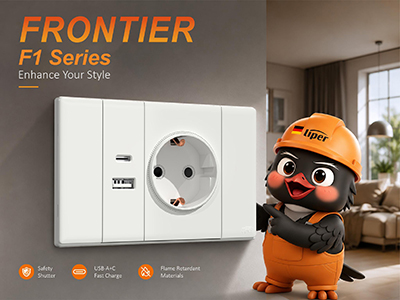
2.Casing Material: Flame Retardancy and Structural Integrity
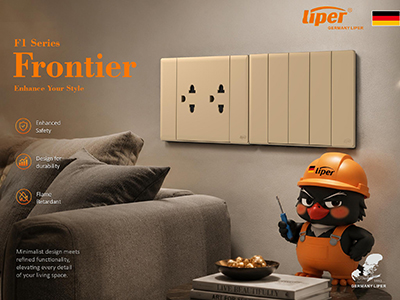
The external housing and internal mounting frame must withstand both high thermal stress and physical force during installation and long-term use.
- Polycarbonate (PC) Material: High-grade switches feature 100% pure PC material for the faceplate and base. PC offers superior high-temperature resistance, excellent impact strength (IK ratings), and strong UV resistance, preventing yellowing over time.
- Fire Safety Certification: Look for materials rated under UL94 V-0 or V-1 flame retardancy standards, ensuring the housing self-extinguishes within seconds if exposed to extreme internal heating or electrical arcs.
3.Internal Conductor: High-Precision Phosphor Bronze
Behind the wall plate, current-carrying conductors must deliver steady power without overheating.
High-performance switches employ phosphor bronze strips instead of standard brass. Phosphor bronze offers superior elasticity, lower electrical resistance, and higher fatigue resistance. This ensures that the spring terminals retain strong clamping force over tens of thousands of cycles, maintaining stable conductivity without loosening or creating hot spots.
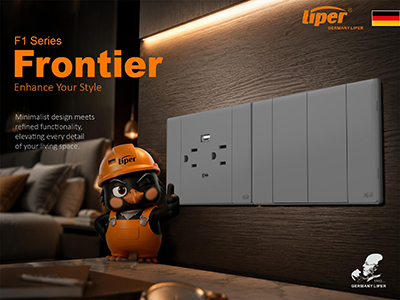
4.Mechanical Endurance and LED Load Compatibility
With the global transition to modern energy-efficient LED lighting, switches face unique electrical challenges during daily operation:
|
Quality Indicator |
Standard / Expectation |
Why It Matters |
|
Switching Lifespan |
Certified for 40,000+ operations |
Equivalent to over 10 years of intensive daily usage. |
|
Inrush Current Resistance |
Rated for high inductive / capacitive LED loads |
LED drivers draw short, powerful current spikes upon powering on; quality switches prevent contact sticking under these bursts. |
|
Tactile Feedback |
Crisp, smooth clicking action |
Indicates precise spring tension and clean, instant separation of internal contacts. |
Liper is a specialized manufacturer and supplier of high-reliability electrical switchgear and wiring accessories. Dedicated to strict quality control, premium raw materials, and precision manufacturing, Liper provides durable, safe, and beautifully designed mechanical switches for residential, commercial, and engineering projects worldwide.
Post time: Aug-10-2026


