
Liper, a leading provider of innovative lighting solutions, today emphasizes the critical need for surge protection in both residential and commercial lighting systems. Power surges, often misunderstood, pose a significant threat to the longevity and performance of modern lighting.
What is a Power Surge?
A power surge is a sudden, brief spike in electrical voltage far exceeding the standard flow (e.g., 100V/240V AC). These spikes, lasting millionths of a second, can originate from:
1.Lightning Strikes: Direct hits or nearby strikes inducing surges into power lines.
2.Grid Operations: Utility switching, capacitor bank activations, or fault clearing.
3.Internal Sources: Large motors (elevators, electrical machine) cycling on/off within a building.
The Hidden Threat to Your Lighting
Surges cause catastrophic or cumulative damage:
1.Instant Failure: Sudden burnout of LED drivers, controllers, or power supplies.
2.Degraded Performance: Gradual damage shortening lifespan, causing flickering, color shifts, or reduced brightness.
3.Control System Damage: Crippling smart lighting networks, sensors, and dimming systems.
4.Safety Hazards: Potential fire risks from damaged components.
5.Costly Downtime & Replacements: Unplanned maintenance and fixture replacement costs.
After reading these information, maybe you are wondering how to avoid these issues...And in fact, The International Electrotechnical Commission (IEC) sets clear benchmarks for surge immunity in lighting fixtures through IEC 60598-1 and specific performance standards like IEC 61547. Key requirements include:
1.Indoor lights: Typically required to withstand Level 2 surges (common in buildings):
·Line-to-Line:1 kV
·Line-to-Earth (Ground): 2 kV
2.Outdoor Lights: Exposed to higher risks (lightning, long cable runs), requiring Level 3 or 4 immunity:
·Line-to-Line: 2 kV or 4 kV
·Line-to-Earth (Ground):4 kV or 6 kV – Crucial for fixtures on poles, building perimeters, or landscapes.
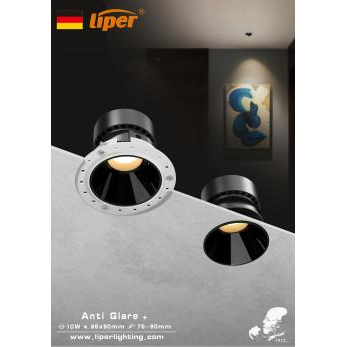
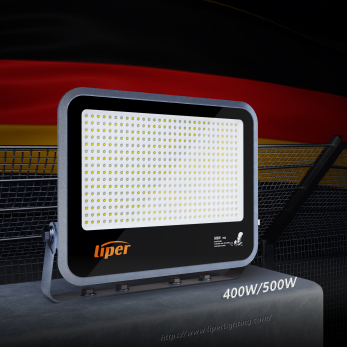
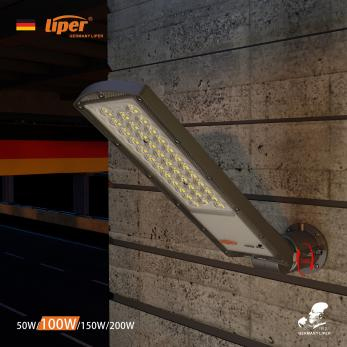
What does Liper do to make sure lights can be safe and with long lifetime?
Liper cares about safety all the time, so our engineers focus on adding the surge protection devices and our professors will test our lights in EMC test room to ensure our lights have a higher standard of surge level.
1.Add some surge protection devices while making the PCB board.
·Varistors: clamp voltage by diverting surge current.
·Fuse resistor: quickly blow to prevent more serious safety incidents (such as fires).
·Transient Voltage Suppression (TVS): extremely fast response, protecting sensitive ICs in drivers/controllers. Lower energy handling.
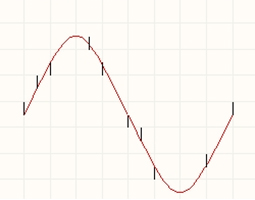
·Common mode inductors: make the current cannot increase suddenly but increase slowly and absorb the sudden energy.(neccessary in streetlight, floodlights and highbay lights)
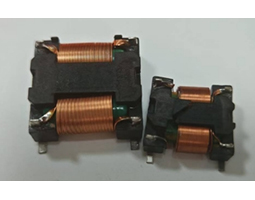
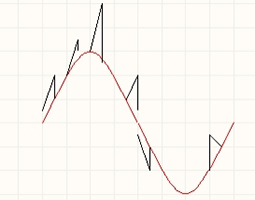
(before using common mode inductor)
(after using common mode inductor)
2.Test the lights in our professional laboratory
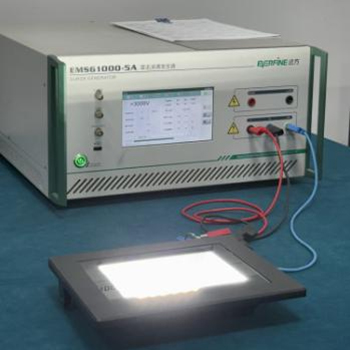
·Surge generator: the standard of the test is higher than IEC standard. For streetlights, we can reach 10kV after adding lightning arrestors.
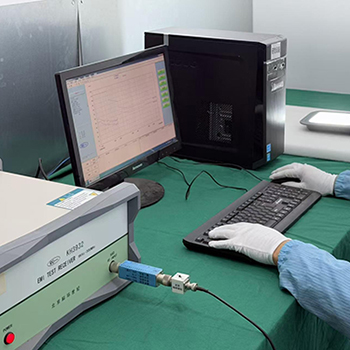
·EMC test room: test the anti-interference capacity and test whether our lights will influence other appliance or not. This test is under CB standard.
After these actions, you can trust to use our lights to the project! Liper, a brand that you can trust forever!
Post time: Jun-17-2025


